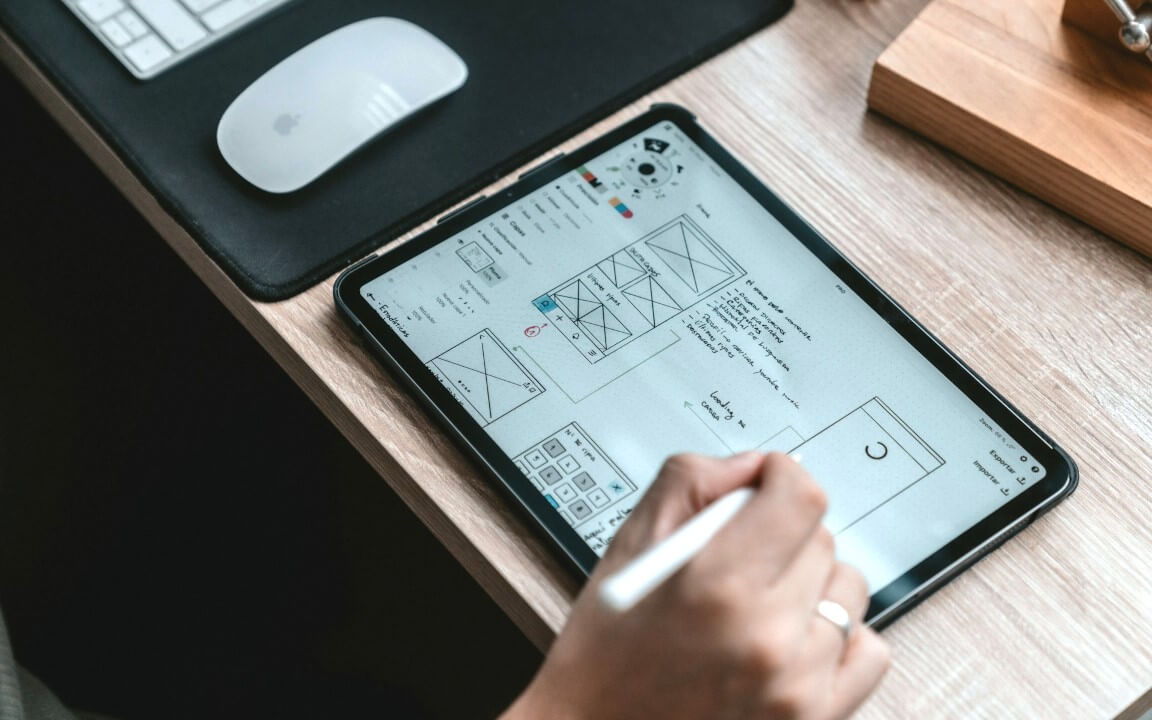
Ever wonder what makes some apps a joy to use, while others are a constant source of frustration? The answer lies in the often-misunderstood relationship between UI and UX. While these terms are frequently conflated, they are distinct disciplines, both fundamental to a digital product's success. This article dives into the nuances of user interface design and user experience (UX) design, explaining their individual contributions and how they work together to create outstanding digital interactions.
The Foundation: Understanding UX Design
At its core, UX design is about the overall journey and feelings a user has when interacting with a product or service. It's not just about how something looks; it's about how it works, how easy it is to use, how efficient it is, and ultimately, how satisfying the experience is. Think of it this way: if a product were a house, UX design would be the architecture – ensuring the layout is logical, the flow from room to room is intuitive, and the house serves the needs of its inhabitants effectively and comfortably.
User experience UX design encompasses a broad range of activities aimed at understanding user needs, behaviors, and motivations. This often involves extensive research, including user interviews, surveys, and usability testing. The goal is to identify pain points, understand user goals, and then design solutions that address these effectively. A UX designer is essentially a problem-solver, meticulously crafting a seamless and enjoyable interaction. They focus on the information architecture, the navigational pathways, the consistency of interactions, and the overall usability of the product.
Consider the act of booking a flight online. A good user experience design would ensure that finding the right flight is straightforward, entering passenger details is clear, and the payment process is secure and easy to complete. If a user encounters confusing forms, broken links, or a cumbersome checkout, their overall experience is negative, regardless of how visually appealing the website might be. This highlights a crucial aspect of ux: it's about the entire journey, not just isolated touchpoints.
The Visual Layer: Understanding UI Design
If UX design is the architecture of the house, then UI design is the interior decoration and facade. It's about how the product looks and feels – its visual and interactive elements. User interface design is specifically concerned with the graphical layout of an application or website. This includes everything from the buttons and text fields to the images, sliders, and overall aesthetic. The primary goal of a UI designer is to create an interface that is visually appealing, intuitive to navigate, and consistent with the brand's identity.
An interface designer is responsible for translating the insights and wireframes provided by UX designers into tangible, interactive elements. They focus on aspects like color palettes, typography, iconography, spacing, and animations. The choices made in ui design directly impact the user's perception of the product's quality and trustworthiness. A well-designed app interface design, for example, can make a complex application feel simple and enjoyable to use. Conversely, a cluttered or inconsistent interface can quickly deter users, even if the underlying functionality is robust.
Take the example of a mobile banking app. The ui design would dictate the style of the login screen, the appearance of the transaction history, the colors used for different categories of expenses, and the animations that occur when a transaction is confirmed. If these elements are visually pleasing, easy to understand, and consistently applied, the user feels more confident and comfortable interacting with the app. Trends like neumorphic design, which aims for a soft, extruded plastic look, are examples of how ui designers explore new visual paradigms to create engaging interfaces.
The Symbiotic Relationship: UI and UX Design
It should be clear by now that ui and ux design are not mutually exclusive; rather, they are two sides of the same coin, working in tandem to create successful digital products. You cannot have a truly great user experience without a well-executed user interface, and even the most beautiful ui design will fall flat if the underlying ux is flawed.
Consider a scenario where a UX designer meticulously maps out the user flow for an e-commerce website, ensuring that the process of adding items to a cart and checking out is logical and efficient. This strong ux design provides the blueprint. It's then up to the ui designers to bring this blueprint to life with visually appealing buttons, clear product images, easy-to-read fonts, and a consistent brand aesthetic. If the buttons are too small to tap or the text is illegible, the user's journey, no matter how well-planned, will be hindered.
The collaboration between ux design and ui design is a continuous loop. UX research informs UI decisions, and UI implementations can reveal new UX challenges or opportunities. For instance, during usability testing (a UX activity), if users consistently struggle to find a particular feature, the UI designer might need to adjust the layout or create more prominent visual cues. Similarly, a beautiful new UI element might inspire a UX designer to explore new interaction patterns. This iterative process of feedback and refinement is crucial for product design excellence.
Deeper Dives: Key Differences in Focus
While their ultimate goal is shared, the day-to-day activities and primary concerns of ux designers and ui designers differ significantly.
UX Designers typically focus on:
- User Research: Conducting interviews, surveys, creating personas, and analyzing user behavior data.
- Information Architecture: Organizing content and features in a logical and intuitive manner.
- Wireframing and Prototyping: Creating low-fidelity representations of the product's structure and flow.
- Usability Testing: Evaluating how easy and efficient the product is to use.
- Interaction Design: Defining how users interact with the product and how it responds.
- Accessibility: Ensuring the product is usable by individuals with disabilities.
- Strategy and Scope: Defining the product's goals and how it meets user needs.
UI Designers typically focus on:
- Visual Design: Choosing color palettes, typography, iconography, and imagery.
- Layout and Grids: Arranging elements on the screen in a visually appealing and organized way.
- Branding and Style Guides: Ensuring consistency with brand identity and creating design systems.
- Interactive Elements: Designing buttons, sliders, forms, and other clickable components.
- Animations and Micro-interactions: Adding subtle movements and feedback to enhance the user experience.
- Responsive Design: Ensuring the interface adapts seamlessly across different devices and screen sizes.
- Pixel-Perfect Implementation: Paying meticulous attention to detail in the visual execution.
The Interplay: When UI and UX Collide (and Collaborate)
The line between ui ux experience can sometimes blur, especially in smaller teams where one individual might wear both hats. However, understanding their distinct contributions is vital for effective teamwork and optimal outcomes.
Imagine a user trying to fill out a complex online form.
- UX's role: The UX designer would have researched what information is truly necessary, how to group related fields logically, and what kind of error messages are most helpful. They would have ensured the flow minimizes cognitive load and provides clear progress indicators.
- UI's role: The UI designer would then take this structure and make it visually appealing and easy to interact with. They would design the input fields, choose a clear font for labels, decide on the color of error messages to make them stand out, and ensure the submit button is prominent and inviting.
If the UX is poor (e.g., too many required fields, confusing jargon), even the most beautiful UI won't save the experience. Users will abandon the form out of frustration. Conversely, if the UI is poorly executed (e.g., tiny fonts, low contrast colors, unclickable buttons), users won't be able to complete the form effectively, regardless of how well the underlying UX was designed. This demonstrates why the synergy between user interface and user experience design is so crucial.
The Impact on Product Success
Ultimately, the successful collaboration of UI and UX directly impacts a product's success. A product with strong ui ux experience is more likely to:
- Attract and Retain Users: An intuitive and aesthetically pleasing product makes a strong first impression and encourages continued use.
- Increase User Satisfaction: When users can easily achieve their goals and enjoy the process, their satisfaction levels rise.
- Reduce Support Costs: Clear interfaces and well-designed flows lead to fewer user errors and less need for customer support.
- Enhance Brand Perception: A well-designed product reflects positively on the brand, building trust and credibility.
- Drive Conversions: For e-commerce or lead generation sites, a seamless and enjoyable experience directly translates to higher conversion rates.
Consider a mobile app for ordering food. If the ux design allows users to quickly browse menus, customize orders, and pay with ease, and the ui design presents this information clearly with appealing visuals and intuitive navigation, the app will likely thrive. If either aspect is neglected, users will flock to competitors.
Conclusion: The Holistic View of Digital Design
In summary, UI vs UX is not a battle to be won, but a partnership to be fostered. User experience (UX) design focuses on the overall feeling and effectiveness of a product, ensuring it meets user needs and provides a meaningful journey. It's about the "why" and "what" of the interaction. User interface (UI) design, on the other hand, focuses on the visual and interactive elements of a product, bringing the UX vision to life with aesthetics, usability, and brand consistency. It's about the "how" and "where" of the interaction.
Both disciplines are indispensable for creating exceptional digital products. Aspiring professionals in this field should strive for a comprehensive understanding of both, as the best product design emerges when ux designers and ui designers collaborate seamlessly, guided by user research and a shared vision. The future of digital product development lies in this holistic approach, where every pixel and every interaction is meticulously crafted to deliver an outstanding ui ux experience.