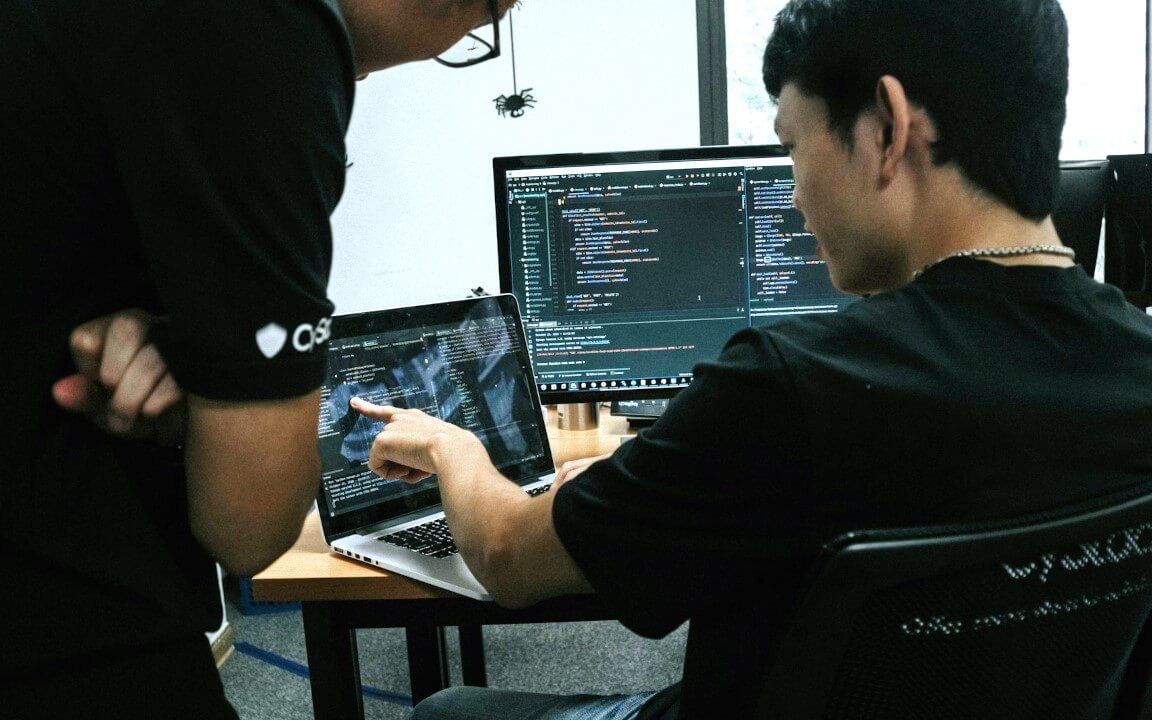
Choosing the right team to build your web application can make or break your online presence. Whether you need a sleek e-commerce platform or a robust enterprise solution, partnering with experienced web application developers is crucial. However, deciding between local talent and offshore resources often presents a difficult dilemma. This article breaks down the advantages of both “local” and “offshore” web development services, helping you determine which path aligns best with your business goals.
Understanding Web Application Developers and Their Roles
Before diving into the comparison, it’s important to understand who “web application developers” are and what they do. A robust web application typically requires collaboration among several specialists:
- Front End Developer
A front end developer focuses on the user-facing side of a web application. They work with HTML, CSS, and JavaScript (often using frameworks like React, Angular, or Vue) to create intuitive interfaces that encourage engagement. A skilled front end developer ensures that your site’s look and feel match branding guidelines, remain responsive on multiple devices, and deliver smooth interactions. If you care deeply about user experience, you’ll want to prioritize someone with a strong front end development background. - Back End Developer
The back end developer handles server-side logic, databases, and application architecture. They work with languages and frameworks such as Node.js, Python (Django, Flask), Ruby on Rails, PHP (Laravel), or Java (Spring). Their expertise ensures data is securely stored, user authentication works seamlessly, and performance scales with increased traffic. Without a competent back end developer, an otherwise dazzling interface can collapse under real-world usage. - Website App Developer
Often used interchangeably with “web application developer,” a website app developer bridges the gap between front end and back end. They might take on full-stack responsibilities—coding both the user interface and server processes. In smaller projects or startups, a website app developer who excels in full-stack development can reduce coordination overhead by handling multiple roles.
Collectively, these roles ensure your web application functions as intended, looks appealing, and delivers a satisfactory experience to end users. When you search for a “web development company” or seek “web design & development services,” you want a team that combines these competencies effectively. But should you look for a “web design company near me,” or is an offshore partner the smarter choice?
The Appeal of Local Web Development Services
Engaging a local web development company offers several tangible benefits, particularly when proximity and face-to-face collaboration matter. Here are some of the primary advantages of choosing local talent:
- Enhanced Communication
When you work with a team physically located in your region, communication barriers shrink significantly. With a shared language, similar cultural context, and minimal time zone differences, meetings can be scheduled quickly, decisions are made faster, and feedback loops tighten. For many businesses, this fluid communication translates into smoother “web development services” that align closely with project requirements. - Face-to-Face Collaboration
Nothing beats sitting in the same conference room, sketching wireframes on a whiteboard, or conducting impromptu brainstorming sessions. In-person collaboration fosters trust, helps team members read non-verbal cues, and accelerates problem-solving. If your project demands frequent on-site visits—say, for hardware integration or certain security clearances—“local web design & development services” could be indispensable. - Familiarity with Local Market
A local web development team often understands your target audience’s preferences more deeply. They know local design trends, compliance regulations, or industry norms better than an offshore team might. Whether you’re a retailer catering to regional tastes or a B2B company guiding clients through specific local certifications, having that on-the-ground knowledge can sharpen the product-market fit. - Rapid Iteration and Support
Urgent issues—server outages, urgent security patches, or last-minute feature additions—require swift action. A local “web development company” can dispatch personnel to address on-site complications quickly. For mission-critical applications in healthcare, finance, or government, this immediate responsiveness often justifies the higher hourly rates associated with local talent. - Perceived Accountability
Many businesses feel more comfortable knowing they can hold a local entity accountable for deliverables. Regulatory compliance, contractual obligations, and the potential for legal recourse all feel more tangible when you’re dealing within the same jurisdiction. This perceived accountability can foster longer-lasting, trust-based relationships that benefit future maintenance and support needs.
However, local talent typically commands premium rates—especially in metropolitan areas or tech hubs. This leads many organizations to weigh the advantages of offshore talent against the budget impact. Before dismissing an offshore partner outright, consider the benefits they bring in terms of cost efficiency and specialized skills.
Why Businesses Consider Offshore Web Development
Offshore web development services have grown increasingly popular in recent years. Advances in communication tools, globalized workflows, and specialized talent pools have made it easier to tap into resources thousands of miles away. Here are some compelling reasons businesses explore offshore options:
- Cost Savings
Perhaps the most widely cited reason, cost savings can range from 20% to 60% compared to hiring local talent—depending on the regions involved. By leveraging lower labor rates in markets like India, the Philippines, Eastern Europe, or Latin America, companies can allocate budget more flexibly, invest in marketing, or extend project scopes without breaking the bank. If your goal is a lean budget for “custom web development,” offshore talent can make sophisticated solutions more affordable. - Access to Specialized Talent
Offshore markets often produce a wealth of technical expertise in niche areas—machine learning integration, AR/VR development, complex database optimizations, or specialized CMS platforms. If you need a team with experience in cutting-edge frameworks or legacy systems, an offshore “web development company” might offer specific expertise that’s scarce or overpriced locally. - Scalability and Flexibility
Offshore teams can scale up or down faster than local firms because they maintain larger talent pools with varying levels of seniority. If your project evolves from a simple MVP (minimum viable product) to a full-fledged platform, the ability to quickly add junior or senior developers to match changing requirements can be invaluable. This flexibility often reduces time-to-market for startups or mid-size businesses. - Round-the-Clock Development
When your local team logs off for the day, an offshore team in a different time zone can continue making progress. This “follow-the-sun” model accelerates development lifecycle and ensures bugs are addressed around the clock. If you want faster sprints, more frequent deployments, or near-continuous testing cycles, an offshore approach may be advantageous. - Global Perspective and Innovation
Diverse perspectives can lead to innovative solutions. Working with developers from various cultural backgrounds encourages fresh ideas, new design paradigms, and different problem-solving approaches. For companies aiming to serve an international audience, tapping into a global development team can yield interfaces, features, and backend architectures optimized for broader user demographics.
Despite these advantages, offshore partnerships come with their own set of challenges—communication barriers, time zone conflicts, and potential quality control issues. It’s not a one-size-fits-all solution, but for many organizations, the cost-to-value ratio tips in favor of offshore developers, especially for projects with well-defined requirements or smaller budgets.
Evaluating Front End Developer vs Back End Developer Needs
Regardless of whether you choose local or offshore talent, you must clearly define your front end and back end requirements. Understanding the roles these developers play helps you assess candidates more effectively.
Front End Developer Considerations
- UI/UX Focus
A strong front end developer prioritizes user experience. They use tools like Figma or Adobe XD to prototype interfaces and transform those mockups into responsive code. When looking at portfolios, evaluate their past work: Did they produce accessible, visually cohesive pages? Do their projects load quickly and handle mobile breakpoints seamlessly? If your project relies heavily on user engagement—such as a SaaS dashboard, an e-learning platform, or an interactive marketing site—a top-tier front end developer is non-negotiable. - Framework Expertise
Common frameworks include React, Angular, and Vue. Determine which technologies you prefer (or which your existing infrastructure uses) and ensure candidates possess that expertise. Additionally, inquire about their familiarity with build tools (Webpack, Vite, Parcel) and state management libraries (Redux, Vuex, NgRx). - Performance Optimization
Front end developers should know how to minimize render-blocking resources, optimize images, and implement lazy loading. They should also be conversant in browser dev tools, performance audits (Lighthouse), and accessibility testing (WCAG). If speed and user experience rank high on your list, these skills distinguish exceptional talent.
Back End Developer Considerations
- Server-Side Languages and Frameworks
A back end developer might specialize in Node.js (Express, NestJS), Python (Django, Flask), Ruby on Rails, PHP (Laravel, Symfony), or Java (Spring Boot). Choose someone who has demonstrable experience with the language and framework that align with your tech stack or long-term roadmap. If your infrastructure relies on microservices, containerization (Docker, Kubernetes), or serverless functions, look for proficiency in those areas as well. - Database Management
Whether your application uses a relational database (MySQL, PostgreSQL) or a NoSQL alternative (MongoDB, DynamoDB, Redis), the back end developer must architect schemas, write complex queries, and optimize performance. Ask about their experience handling large data sets, writing stored procedures, or setting up replication and clustering for high availability. - Security and DevOps
Securing user data, implementing authentication/authorization (OAuth, JWT, SAML), and abiding by GDPR or other regulations fall under the back end developer’s purview. Additionally, DevOps skills—such as CI/CD pipelines, infrastructure-as-code (Terraform, CloudFormation), or container orchestration—provide an edge. If you want a developer capable of deploying code autonomously and maintaining uptime, prioritize these competencies.
Having clarified these roles, you’re better equipped to compare local and offshore talent. Next, we’ll examine how to choose between “web design companies near me” and offshore partners based on these skill sets.
Choosing Between Local Web Design Companies Near Me and Offshore Firms
Local Talent: Pros and Cons
Pros:
- Accessible Expertise: When searching for “web design & development services” near your office, you can swiftly shortlist agencies with reputable portfolios and solid client testimonials.
- Easier Collaboration: Face-to-face meetings eliminate miscommunication. You can inspect progress, brainstorm design ideas, and iterate in real time.
- Legal and Contractual Simplicity: Governing laws, data protection regulations, and non-disclosure agreements are easier to enforce locally.
- Brand Alignment: Local developers understand market nuances, regional vernacular, and local design trends. For example, if you sell products tailored to Nordic consumers, a Copenhagen-based front end developer may intuit what resonates with Danish users.
Cons:
- Higher Costs: Hourly rates for a local “web development company” in a European or North American city can be significantly higher than offshore counterparts.
- Limited Talent Pool: In smaller cities or regions, the number of available specialists—particularly in emerging technologies—can be limited. Finding a back end developer with deep expertise in GoLang microservices or an expert React Native developer for cross-platform mobile integrations may be challenging.
Offshore Talent: Pros and Cons
Pros:
- Competitive Rates: Offshore developers—particularly in Southeast Asia, Eastern Europe, or Latin America—offer high-quality “web development services” at more affordable rates.
- Expanded Talent Pool: You can tap into specialists experienced in custom web development for niche industries.
- Rapid Team Scaling: Offshore firms often maintain larger headcounts, allowing you to scale development teams up or down quickly.
- Diversified Skill Sets: Offshore agencies often offer bundled services (UI/UX design, QA testing, DevOps) under one roof, which can streamline project management.
Cons:
- Communication Barriers: Even with English proficiency, cultural nuances and accents can cause misunderstandings. Time zone differences can delay feedback loops.
- Quality Control: Not all offshore firms maintain rigorous quality assurance processes. Vetting and continuous oversight are essential to avoid rework.
- Security and IP Concerns: Protecting intellectual property across borders may require additional legal safeguards, such as stringent NDAs, secure code repositories, or third-party escrow services.
- Less Direct Oversight: Managing remote teams requires robust project management tools (Jira, Trello, Asana) and practices (daily stand-ups, sprint reviews). Without proper structure, projects can veer off course.
How to Assess a Web Development Company or Offshore Team
Reviewing Portfolios and Case Studies
Before signing any contract, closely examine a potential partner’s portfolio:
- Diversity of Projects: Do they deliver simple marketing sites as well as complex e-commerce platforms? A “web development company” experienced in both is more adaptable.
- Industry Expertise: Have they worked on projects similar to yours? For instance, if you require a healthcare portal, look for HIPAA-compliant applications in their track record.
- Technology Stack: Ensure their previous work aligns with your preferred stack. If you want a Laravel-based back end with React front end, find examples showcasing that combination.
- Client Testimonials: Reach out to past clients. Ask about on-time delivery, communication responsiveness, and post-launch support. Transparent feedback helps distinguish genuine expertise from inflated claims.
Conducting Technical Interviews
Whether hiring a local “front end developer” or vetting an offshore candidate, technical interviews are non-negotiable:
- Code Reviews: Ask candidates to walk you through code they’ve written—preferably from a live project. This reveals their coding standards, documentation habits, and architectural thinking.
- Whiteboard Sessions: Even remote interviews can include virtual whiteboard tools (Miro, MURAL). Challenge them with scenarios like optimizing page load times, designing database schemas, or integrating third-party APIs.
- Skill Assessments: Utilize online coding platforms (HackerRank, Codility) to assign timed challenges. Tailor questions to your project’s core technologies (e.g., React component design or Node.js API routing).
Evaluating Communication and Cultural Fit
Especially with offshore teams, compatibility in communication style is critical:
- Language Proficiency: Conduct portions of the discussion in writing (emails or chat) and spoken English. Observe clarity, vocabulary breadth, and ability to understand context.
- Cultural Sensitivity: Gauge how well the team comprehends your business culture and values. Do they ask clarifying questions to ensure alignment, or assume requirements without proper context?
- Project Management Practices: Determine if they use Agile methodologies, Scrum ceremonies, or Kanban boards. A structured workflow mitigates miscommunications and maintains transparency.
Security, Compliance, and IP Protection
When engaging an offshore partner, explicitly address:
- Data Protection Policies: Ask about their information security certifications (ISO 27001, SOC 2). Do they host client data on secure servers, employ encryption, and enforce role-based access controls?
- IP Ownership Clauses: Contracts should specify that all source code, designs, and documentation remain your property upon payment. Consider escrow arrangements for mission-critical code.
- Post-Launch Support: Clarify if ongoing maintenance, security patches, or feature enhancements are included or billed separately. For sustainable growth, a long-term support relationship is invaluable.
Balancing Costs and Quality in Web Development Services
One central tradeoff when deciding between local and offshore talent is balancing cost against quality. Understanding total cost of ownership (TCO) is essential:
- Initial Development Costs
Offshore projects generally boast lower hourly rates, but factor in additional time for coordination, potential rework, and time zone delays. By contrast, local developers charge more per hour but may require fewer revisions and accelerate time-to-market—offsetting their steeper rates. - Hidden Overheads
With offshore teams, you might face hidden costs: extended project timelines due to communication lags, third-party consultants for quality audits, or travel expenses for periodic on-site visits. It’s wise to budget a buffer (10–15% of total project costs) to accommodate unforeseen challenges. - Long-Term Maintenance
Post-launch support is as important as initial development. If you opt for a local “web development company,” you can negotiate a clear support SLA (service-level agreement) including response times and escalation paths. Offshore teams may require retainer fees or hourly maintenance charges—ensure these align with your budget projections. - Opportunity Cost of Time
Time-to-market can be a dealbreaker, especially for startups or seasonal campaigns. A local front end developer fixing critical UI bugs within hours may translate into immediate revenue gains. Calculate potential revenue lost from delays to determine whether investing extra in local talent is justified. - Quality Assurance and Testing
High-quality QA processes—automated testing suites, manual regression tests, performance benchmarking—should be non-negotiable. Many local firms integrate QA into their development workflows, whereas offshore agencies might treat it as a separate line item. Your cost analysis should factor in rigorous testing to avoid costly outages or user dissatisfaction post-launch.
When to Choose Custom Web Development Over Off-the-Shelf Solutions
Not every project necessitates custom web development. Sometimes a configurable content management system (CMS) like WordPress or a SaaS platform serves your needs. However, certain scenarios demand tailor-made solutions:
- Unique Business Processes
If your organization follows specialized workflows—such as proprietary insurance claim procedures or unique supply chain operations—off-the-shelf software often falls short. A custom web application developer can build processes exactly as you need them, integrating seamlessly with existing enterprise systems (ERP, CRM, or BI tools). - Scalability Requirements
Projects expecting rapid user growth (e.g., viral social platforms, global marketplaces) require a custom architecture that scales horizontally. Standard CMS or low-code platforms may struggle under large concurrent loads, whereas a custom-built backend by an experienced back end developer can handle sophisticated load-balancing, caching layers, and microservices. - Brand Differentiation
If your brand identity hinges on a distinct user experience—think immersive single-page applications, advanced animations, or niche integrations—a “website app developer” who codes from scratch ensures your platform stands out. Web design companies near you may offer template-based themes, but custom web development takes you beyond cookie-cutter solutions. - Regulatory Compliance
Industries such as healthcare, finance, or government impose stringent regulations. A custom web application can be engineered to comply with HIPAA, PCI-DSS, GDPR, or local data residency requirements. Relying on generic solutions may leave gaps in compliance, exposing you to legal or financial penalties. - Advanced Integrations
If you need to connect with specialized APIs—like proprietary IoT devices, blockchain smart contracts, or legacy mainframe systems—only a skilled back end developer or a seasoned web development company can ensure smooth data exchange. Off-the-shelf products may offer basic API integrations but often lack the flexibility for complex orchestration.
When pursuing custom development, choose a team—local or offshore—that demonstrates proven experience in building similar solutions. Carefully review past case studies showcasing deep technical proficiency, robust QA processes, and successful post-launch maintenance.
Best Practices for Managing Mixed Local and Offshore Teams
For organizations with both local in-house talent and offshore contractors, blending these resources can unlock significant benefits. However, hybrid models require diligent coordination:
- Define Clear Roles and Responsibilities
Establish which tasks the local team handles—such as UI/UX design, stakeholder meetings, and project management—and which tasks the offshore team owns (e.g., coding specific modules or handling QA). A responsibility matrix (RACI chart) can clarify who is Responsible, Accountable, Consulted, and Informed for each deliverable. - Adopt Unified Collaboration Tools
Use a single project management platform (e.g., Jira, Asana, or Monday.com) to assign tasks, track progress, and log issues. Unified communication channels—Slack, Microsoft Teams, or Zoom—foster transparency. Encourage developers to update ticket statuses regularly, attach code snippets for review, and schedule standing video calls to maintain momentum. - Implement Strict Version Control
Host your code repository on platforms like GitHub, GitLab, or Bitbucket. Enforce mandatory code reviews before merging changes into main branches. Establish consistent branching strategies (GitFlow, trunk-based development) to avoid conflict. CI/CD pipelines (GitHub Actions, GitLab CI, Jenkins) should automatically run tests and flag build errors immediately. - Schedule Overlapping Work Hours
When time zones differ, coordinate a few overlapping hours each day where both teams are available. This window facilitates real-time troubleshooting, design reviews, and daily stand-up meetings. If one team clocks out, ensure detailed progress updates are posted in shared dashboards to maintain continuity. - Document Everything
Create detailed technical specifications, API documentation, style guides, and user stories. Documentation minimizes ambiguity when handing off tasks between local UX designers and offshore developers. Tools like Confluence, Notion, or SharePoint can centralize these resources. Regularly update documentation to reflect changes in scope, ensuring everyone is on the same page. - Establish Robust QA and Testing Protocols
Assign a local QA lead to coordinate testing sprints. Offshore teams can write automated test scripts (Selenium, Cypress, Jest) while local QA personnel handle manual tests, accessibility audits, and cross-browser compatibility checks. Consolidated test reports expedite bug tracking and ensure no defects slip through the cracks. - Foster a Collaborative Culture
Organize periodic off-site meetups, hackathons, or team-building exercises when feasible. Even virtual events—like online code jams or digital retrospectives—help build rapport between local and offshore team members. Encourage open feedback channels and celebrate shared successes to reinforce trust and alignment.
By embracing these best practices, organizations can harness the cost-effectiveness of offshore talent while maintaining the strategic oversight and market knowledge of local developers. This hybrid approach often yields high-quality “web development services” without overshooting budgets or compromising speed.
Real-World Examples of Local vs Offshore Web Projects
Examining actual case studies can illustrate how businesses benefit from local and offshore partnerships:
Case Study 1: Regional Retailer Expands Online Presence (Local Focus)
A mid-size fashion retailer based in Copenhagen wanted to launch an omni-channel e-commerce platform integrating in-store inventory and personalized recommendations. They opted for a Copenhagen-based “web development company” specializing in retail solutions.
- Front End Development: A local front end developer created a Nordic-inspired, minimalist UI.
- Back End Development: A local back end developer ensured seamless integration with their existing POS system, maintaining real-time inventory updates.
- Outcome: The site went live within three months, with minimal communication delays. Face-to-face meetings led to rapid design iterations, and the local team managed all GDPR compliance issues. However, higher local rates meant upfront costs were 30% above the retailer’s original budget, which was offset by faster time-to-market and lower revision cycles.
Case Study 2: SaaS Startup Scales Quickly with Offshore Support (Offshore Focus)
A Berlin-based SaaS startup needed to build a complex analytics dashboard and wanted to minimize initial spend. They partnered with an Eastern European “web development company” for the bulk of coding, while maintaining a small in-house team for product strategy and UI/UX design.
- Front End Developer: Offshore developers built a React-based dashboard that visualized data in real time.
- Back End Developer: Offshore engineers implemented a microservices architecture in Node.js, integrated with AWS for scalable data processing.
- Local Oversight: Berlin-based product managers conducted weekly sprints, reviewing progress via video calls.
- Outcome: The MVP launched in four months at half the cost compared to local estimates. The remote model introduced occasional communication lags, requiring a 10% buffer on project timelines. However, the cost savings allowed the startup to invest in marketing, resulting in rapid user acquisition.
Case Study 3: Hybrid Team for Enterprise Portal (Mixed Model)
A multinational logistics company needed a custom web application to manage shipping, warehousing, and real-time tracking across Europe. They formed a hybrid team:
- Local Team: Headquartered in Hamburg, the local office handled project management, UI/UX design, and security compliance.
- Offshore Team: A Latin American “web development company” provided developers for API integration, database optimization, and automated testing.
- Collaboration Model: The local team defined requirements, created wireframes, and managed client interactions. Offshore developers executed code sprints overnight.
- Outcome: The project launched within nine months. By combining local domain expertise with offshore cost efficiencies, the company delivered a feature-rich portal that scaled to over 10,000 concurrent users. The hybrid approach trimmed overall costs by 25% compared to a fully local solution.
These examples demonstrate that neither local nor offshore is inherently superior; instead, the optimal choice depends on project complexity, budget, and the need for on-the-ground knowledge.
Key Questions to Ask Before Hiring Web Application Developers
Whether you opt for local or offshore talent, ask these critical questions to vet potential partners:
- What Does Your Development Process Look Like?
Inquire about their methodology—Agile, Scrum, Kanban, or Waterfall. A structured process with clearly defined stages (discovery, design, development, testing, deployment) reduces surprises. Ensure they incorporate regular sprint reviews and feedback loops. - Can You Provide References or Case Studies?
Ask for 2–3 case studies most relevant to your industry or technology stack. Request direct contact information for past clients, so you can verify claims about on-time delivery, budget adherence, and quality standards. - How Do You Handle Revisions and Change Requests?
Scope creep can derail budgets and timelines. Clarify how additional feature requests or design tweaks will be managed. Some “web development services” providers include a certain number of revisions in their initial quote; others charge extra. Set these terms upfront. - What Are Your Communication Channels and Response Times?
Determine if they use Slack, Microsoft Teams, Zoom, or email. Ask about expected response times for routine questions and urgent issues. For offshore teams, establish overlapping hours for key stakeholders to ensure real-time collaboration. - How Do You Ensure Security and Compliance?
Review their information security protocols: encryption, secure code repositories, regular vulnerability scanning, and adherence to standards like ISO 27001 or SOC 2. If you handle sensitive data (medical records, financial transactions), confirm they follow relevant regulatory frameworks (HIPAA, PCI-DSS, GDPR). - What Post-Launch Support and Maintenance Do You Offer?
Development doesn’t end at deployment. Clarify whether they provide ongoing maintenance, bug fixes, performance optimizations, or feature enhancements. Are support hours included in the contract, or are they billed separately? Knowing these details helps you budget for long-term upkeep. - Do You Offer Web Design & Development Services or Only Specialize in One Area?
Some agencies focus solely on front end design, while others excel primarily in backend engineering. If you need an end-to-end solution—from UI mockups to server infrastructure—confirm they offer comprehensive “web design & development services.” Alternatively, plan to hire separate teams and coordinate deliverables carefully. - How Do You Handle Intellectual Property and Code Ownership?
All intellectual property, including source code, design assets, and documentation, should be clearly assigned to your organization upon completion. Request a standard contract clause ensuring code escrow or proper ownership transfer.
Balancing “Web Design Companies Near Me” Searches with Offshore Options
If you’re leaning toward a local solution, you might start by Googling “web design companies near me” or “web development company [City Name].” This approach helps you quickly identify nearby agencies, view office locations, and schedule on-site visits. However, don’t exclude offshore options until you’ve compared proposals objectively. Here’s how to balance these searches:
- Create a Shortlist of 3–5 Local Agencies
Use directories like GoodFirms, Google Maps, or Yelp to identify reputable web design firms in your area. Check their star ratings, read client reviews, and inspect their case studies. Visit their websites to gauge brand consistency, technical sophistication (e.g., do they load quickly, pass performance audits?), and client testimonials. - Request Proposals from Local and Offshore Firms
Prepare a detailed Request for Proposal (RFP) that outlines project scope, feature requirements, budget constraints, and desired timeline. Submit the RFP to your local shortlist and 2–3 offshore agencies known for delivering similar projects. Evaluate their responses based on: - Estimated cost and timeline
- Team composition (number of front end developers, back end developers, QA engineers, project managers)
- Communication plan and time zone overlap
- Portfolio relevance and client references
- Conduct Comparative Interviews
Schedule video calls with each finalist. Use these sessions to assess soft skills, cultural fit, and responsiveness. Ask technical questions that probe their problem-solving approach—e.g., how would you optimize a slow-loading React application? Or, how would you design a relational database schema for multi-tenant SaaS? Document each team’s answers for side-by-side comparison. - Factor in Total Cost of Ownership (TCO)
When comparing budgets, remember to include all downstream expenses: - Communication overhead (project management, daily stand-ups, translation services if needed)
- Security audits (particularly important when transferring data across borders)
- Legal counsel fees for drafting international contracts or NDAs
- Travel costs, if periodic on-site visits are required
- Potential rework costs for misaligned requirements
- Account for Strategic Goals Beyond Development
If brand alignment, local networking opportunities, or government contracting are important, local “web development services” may offer intangible benefits. Conversely, if cost optimization and access to niche technical skills (e.g., blockchain smart contracts, advanced data science integration) matter more, offshore talent could be the winner.
Case for Hiring a Local “Web Development Company”
Even if offshore talent boasts lower hourly rates, investing in a local web development company can deliver substantial value—especially for high-stakes applications:
- Brand Credibility and Local Networking
Partnering with a respected local agency can signal credibility to partners, investors, and customers in your region. Local firms often attend industry events, sponsor meetups, and engage in community outreach, expanding your network organically. - Regulatory Compliance Simplified
European businesses, including those in Denmark, must comply with GDPR. A Danish “web development company” understands local data protection laws, storage requirements, and consent frameworks. This local knowledge minimizes legal risks and costly retrofits. - Agile Iterations and Rapid Prototyping
When speed is paramount—like responding to competitor moves, market fluctuations, or last-minute stakeholder requests—local teams can pivot quickly. It’s easier to schedule on-site workshops, hackathons, or sprint planning sessions when teams operate within the same time zone and region. - Long-Term Support and Relationships
Building a lasting relationship with a local “web development company” ensures consistent maintenance, bug fixes, security updates, and feature rollouts. They become an extension of your in-house team, intimately familiar with your business goals, user base, and technical infrastructure. Over time, this partnership drives down the real cost of ownership by accelerating problem resolution and reducing onboarding overhead for new project phases.
Case for Leveraging Offshore “Web Design & Development Services”
For many organizations—particularly startups and mid-size enterprises—offshore teams provide unmatched value if managed effectively:
- Affordability for Startups and SMBs
A lean budget often dictates that small businesses or startups must prioritize development costs over local overhead. Freelancers or boutique offshore agencies can deliver a feature-rich MVP at a fraction of the cost of local counterparts. Savings can be redirected toward marketing, hiring in-house customer support, or investing in product innovations. - Speed and 24/7 Development Cycles
Offshore teams distributed across multiple time zones ensure that while your local office sleeps, development continues. This dynamic can shave weeks off your timeline—especially valuable when you need to seize market opportunities quickly. By the time your local team starts the day, new code is ready for review, and bugs have already been addressed overnight. - Global Talent Pool Access
Offshore markets possess deep talent pools in emerging technologies—blockchain, AI/ML, AR/VR, and IoT integrations. If your project relies on cutting-edge features (such as predictive analytics, chatbots, or interactive data visualizations), offshore agencies often have specialists who have completed similar projects for international clients. As a result, time-to-proficiency is shorter, and the quality of deliverables tends to be higher. - Comprehensive Web Development Services
Many offshore firms package services beyond pure coding—UI/UX design, QA testing, DevOps, server management, and even digital marketing. This one-stop-shop approach can simplify vendor management and reduce overhead, since you’re dealing with a single point of contact for your entire “web design & development services” spectrum.
How to Mitigate Risks When Working with Offshore Teams
While offshore development can yield cost benefits and specialized skills, managing risks is critical:
- Thorough Vetting and Due Diligence
Conduct background checks, verify company registrations, and confirm references. If possible, arrange a short trial engagement (e.g., a one-week paid pilot project) to assess responsiveness, code quality, and cultural fit before committing to a long-term contract. - Define Clear Project Milestones and KPIs
Break down your project into well-defined sprints with measurable deliverables. Assign key performance indicators (KPIs) related to code quality (e.g., number of bugs per release), velocity (story points completed per sprint), and client satisfaction (feedback scores). Align financial milestones—such as paying 25% of fees only after the first major deliverable—to motivate consistent performance. - Use Secure Collaboration Tools
Host code repositories on secure platforms with role-based access controls. Utilize end-to-end encrypted communication channels for sensitive discussions. Employ secure file-sharing services (e.g., SharePoint, Google Workspace with two-factor authentication) to transmit proprietary designs or business documents. - Establish Clear Escalation Paths
Identify a local project manager or account lead responsible for day-to-day coordination. They should have the authority to escalate issues—technical blockers, security breaches, or interpersonal conflicts—to senior management on both sides. Regularly scheduled status calls (twice a week, at minimum) ensure early detection of potential issues. - Invest in Cultural and Language Training
Offer basic cross-cultural training sessions for your internal team to understand communication styles, holidays, and work etiquettes of the offshore location. Conversely, encourage offshore teams to learn about your company culture, industry-specific jargon, and business priorities. Improved cultural understanding reduces misinterpretations and strengthens collaboration. - Hold Retrospectives and Feedback Loops
At the end of each sprint or milestone, conduct retrospectives to discuss what went well and what needs improvement. Solicit honest feedback from both local and offshore team members. Identify process bottlenecks—such as delayed code reviews or ambiguous requirements—and iterate on solutions. Continuous improvement culture ensures the partnership evolves positively over time.
Final Thoughts: Weighing the Benefits of Local vs Offshore Web App Developers
Deciding between local and offshore web development talent ultimately comes down to your project’s specific needs, budget constraints, and long-term strategy. There is no universally optimal solution, but rather a spectrum of possibilities:
- Local-Centric Model
Ideal for businesses prioritizing seamless communication, face-to-face collaboration, and deep local market insights. If your project hinges on strict regulatory compliance, frequent on-site involvement, or rapid pivots driven by local stakeholders, investing in a local “web development company” may cost more upfront but yield superior alignment and accountability. - Offshore-Centric Model
Suited for organizations looking to maximize budgets, leverage specialized technical skills, and scale teams rapidly. If your requirements are well-defined, and you’re comfortable managing remote workflows via collaborative tools, offshore “web development services” can help you build a competitive web application at a fraction of local rates. Just be prepared to mitigate communication challenges and invest in structured project management. - Hybrid Model
Combines the best of both worlds—engaging local talent for strategy, UI/UX design, and project oversight, while outsourcing development tasks to offshore experts. This balanced approach often yields cost savings without sacrificing quality or agility. The success of a hybrid model hinges on robust documentation, clear role definitions, and consistent communication channels across time zones.
Ultimately, focus on building a partnership based on trust, transparency, and shared accountability. Whether you’re searching for “web design companies near me” or exploring offshore “custom web development” firms, prioritize experience, credibility, and alignment with your business objectives. By carefully vetting candidates, clarifying expectations upfront, and implementing best practices for collaboration, you can harness the combined strengths of local and offshore talent to deliver a world-class web application.
Embarking on your web development journey armed with these insights—understanding the roles of front end developer and back end developer, evaluating costs versus quality, and managing hybrid teams—ensures you select the right path. Whether you choose local expertise, offshore efficiency, or a hybrid model, well-informed decisions lead to superior outcomes, satisfied users, and sustainable growth for your business.